
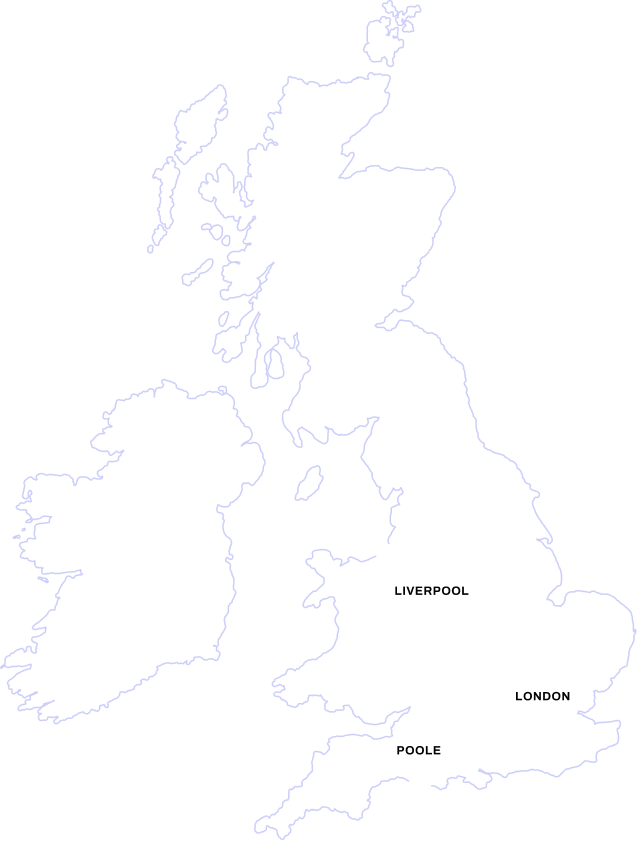
STORIES OF EXTREME WEALTH ACROSS THE UK
How does extreme wealth affect you?
Extreme wealth has spiralled out of control, with a tiny minority owning the vast majority of wealth. This problem is woven into nearly every part of daily life - from products and prices at the supermarket, the organisations that run our public services, to the land we live, work and play on.
As part of the Extreme Wealth Line Initiative, Patriotic Millionaires UK is exploring what people think and feel about extreme wealth. So, in the summer of 2026, we kicked off a series of conversations in communities around the UK. We filmed small events hosted by our members, inviting people to reflect on extreme wealth and its impact on our society, economy, democracy and environment.
Here’s what we heard.

POOLE
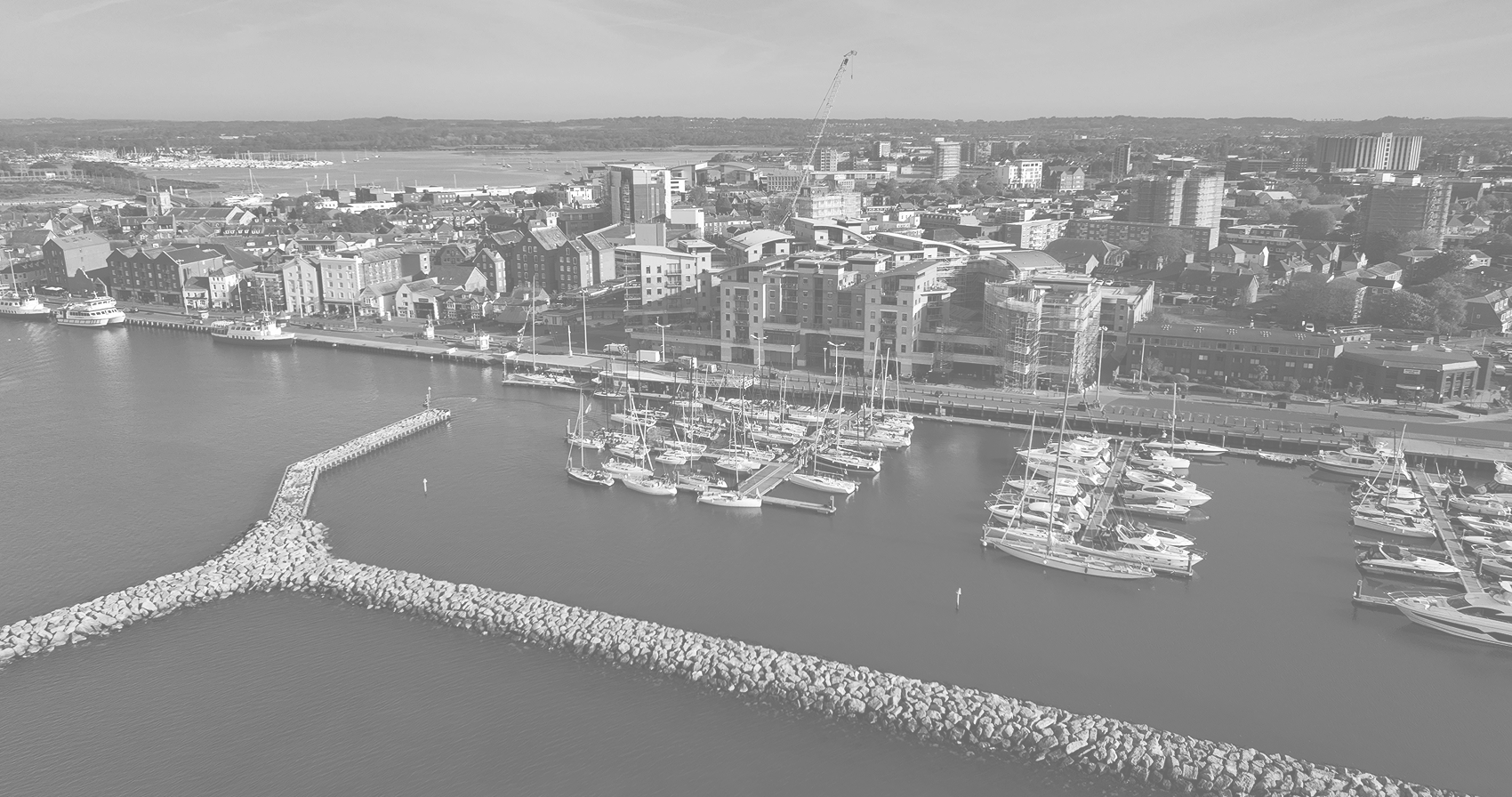
A bit about Poole
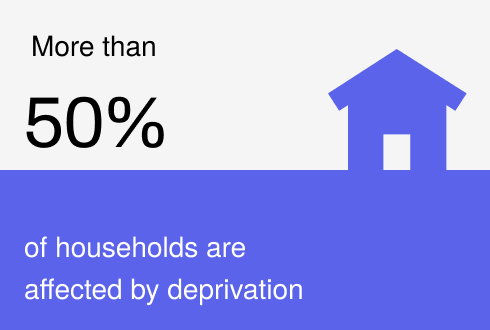
Bournemouth, Christchurch and Poole has a stark wealth divide - more than 50 per cent of households are affected by deprivation. Some communities are in the top 2 per cent of the UK’s most deprived areas, while others lie in the top 1 per cent of least deprived. There is an acute affordability crisis, where average house prices are nearly 10 times local incomes.
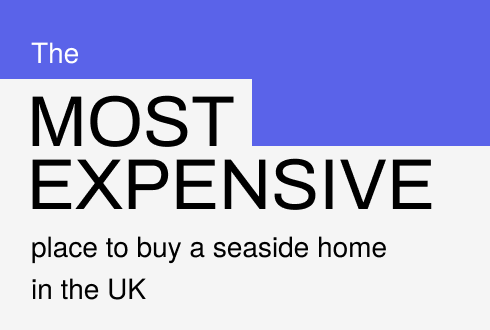
By contrast, Sandbanks in Poole has some of the highest property prices per square foot in the world. In 2000, it was the fourth most expensive place to buy residential property, behind Tokyo, Hong Kong and London. It has around 800 homes and is the most expensive place to buy a seaside home in the UK.
See what people thought in Poole
Watch the film below

“It’s about the purchasing power, the super wealthy buy up a lot of property... most of the property [in this area] is owned by four real estate agency landlords. It actually pushes the housing market away from people who are most struggling.”
Poole resident
Talking about extreme wealth
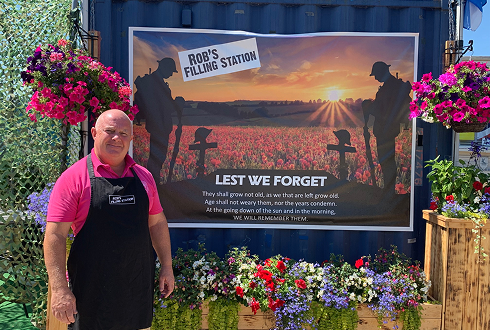
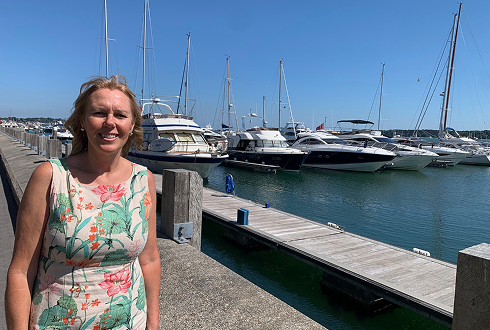
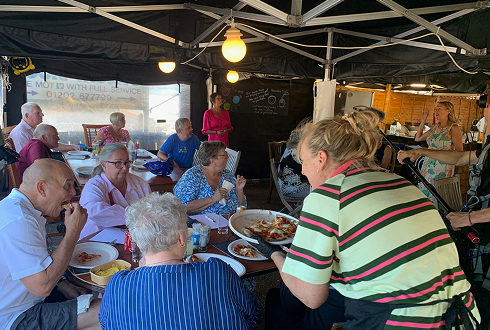
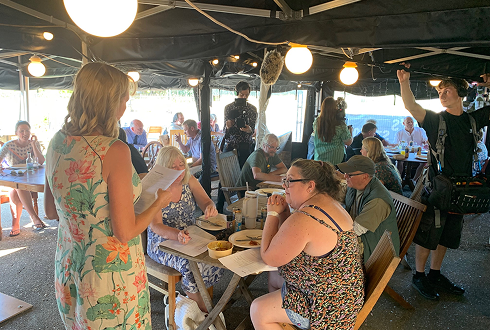
Julia Davies, a member of Patriotic Millionaires UK, visited Rob’s Filling Station, hosted by owner Rob Eaton, to chat with the community about extreme wealth and how it affects them. The conversation covered a wide range of issues including the impact of extreme wealth on housing, if wealth has extracted money from public services, and whether extreme wealth should be taxed more.
As the theme of taxing extreme wealth, not just income, was explored, we also debated how wealth concentration is shaping the technology that's threatening jobs.
What we heard

I work in the aerospace industry, and what I've seen over the last few years is a real change in the way things are being manufactured. One of the companies that I deal with used to have 12 people, 12 different machines. Now they have just one guy doing debugging because the robots are doing the work. The way I see it is the government is taxing and taxing. They get a lot of their revenue from the working people, and they try and hit it harder by bringing AI in. That means there's going to be less revenue going through the government. But I see more poverty.”
I can see that systemic change is the only way that you're actually going to make an impact.”
If you are born into money, then you should not be penalised for wealth.”
If you have worked hard to make money, enjoy it.”
Inequality leads to a lack of basic essentials.”
Looking ahead
While a small number of people in the audience didn’t see extreme wealth as a problem, and fully believed in meritocracy and trickle-down economics, the majority of people acknowledged the inequality caused by extreme wealth and the systems that uphold it. Ultimately, most people just wanted fairness.
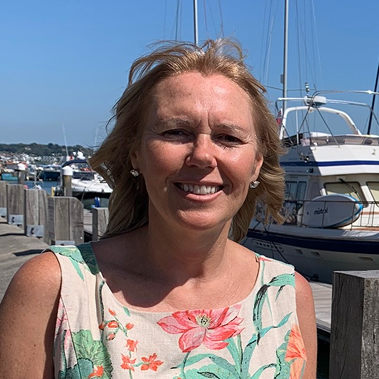
“We can do this, we have done it in the past. Don’t let them tell you that we can’t make things better, because if we do that, you can be absolutely sure we’re going to make things a lot worse.”
Julia Davies, Patriotic Millionaires UK
LIVERPOOL
A bit about Liverpool
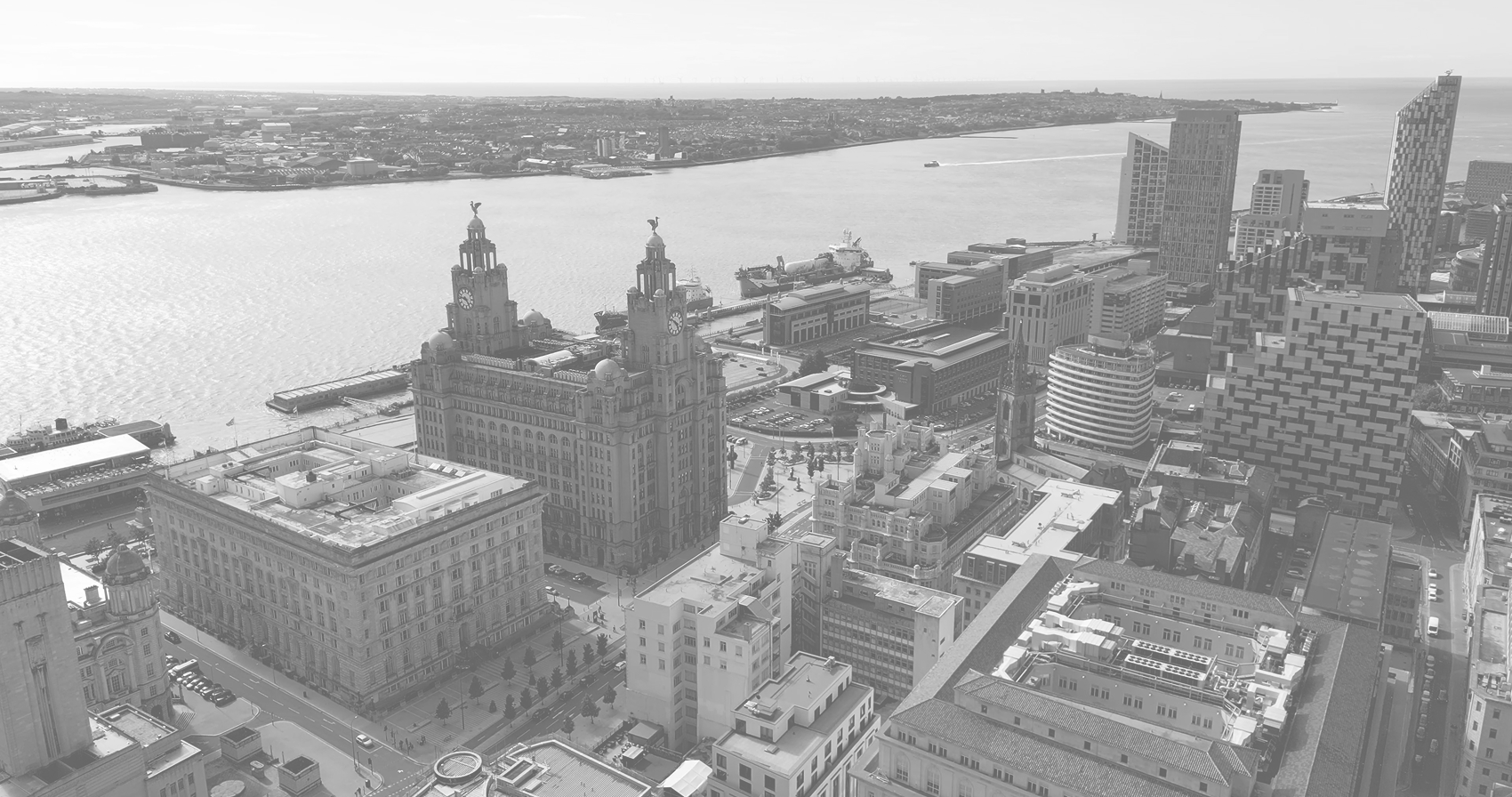
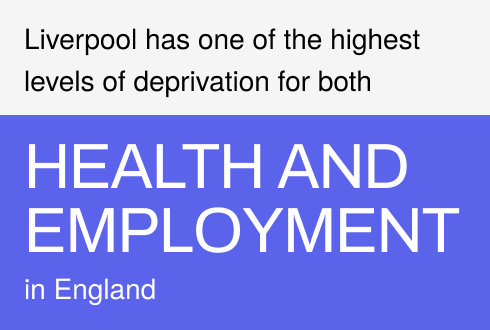
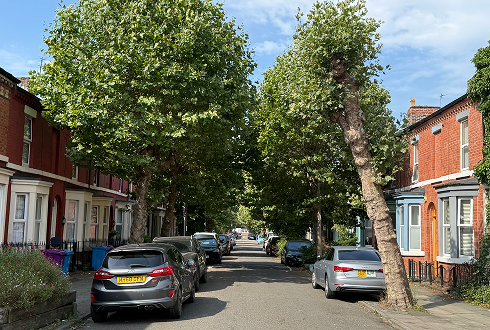
Liverpool has one of the highest levels of deprivation for both health and employment in England. Child poverty is significantly higher than the national average, with 40 per cent of children now living in poverty and in Toxteth, 70 per cent of children are living in low-income families.
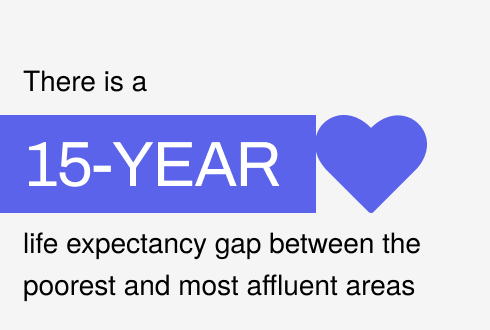
There are several prominent multi-millionaires who live in the city and Liverpool’s luxury water front boasts penthouse apartments selling for over £1.5m. People living in the richest neighbourhoods have over £25,000 a year more in disposable income than people in the most deprived, with a stark 15-year life expectancy gap for people living in the poorest areas compared to the most affluent.
See what people thought in Liverpool
Watch the film below
“What I have seen, over the last 15-20 years, is because property [locally] and land is cheaper, you have got people in London, buying up the housing, buying up the land and that’s pushing house prices up. Housing that should have been in people’s price ranges, isn’t anymore. ”
Kelly, Liverpool resident
Talking about extreme wealth
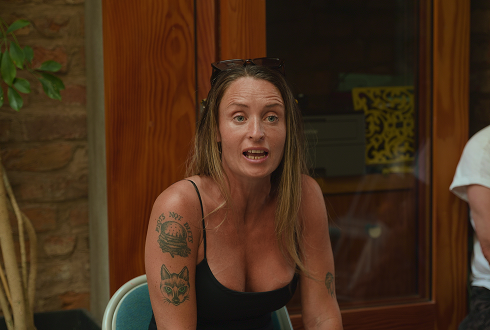
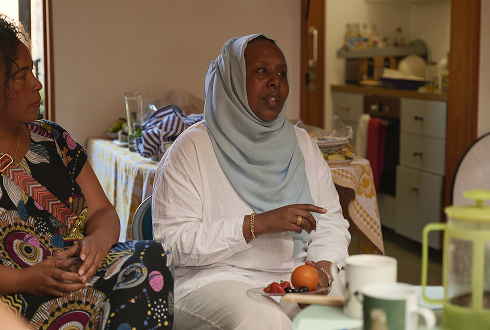
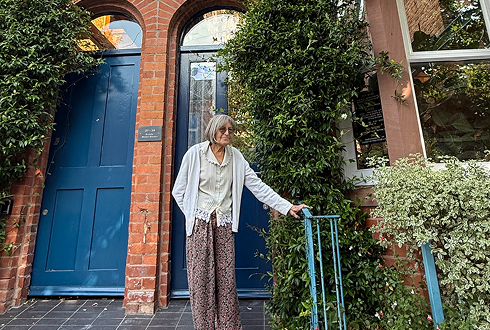
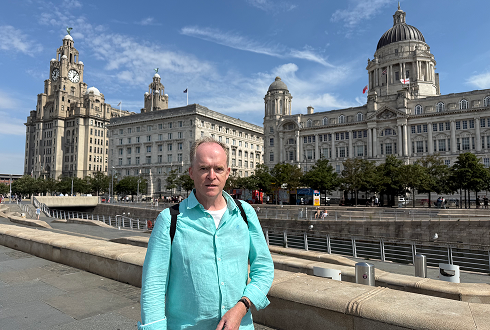
Stephen Kinsella, a member of Patriotic Millionaires UK, has always been connected to Liverpool. Both his parents were from the city and his extended family still live locally, including his cousin Angela, who has lived in Liverpool all her life.
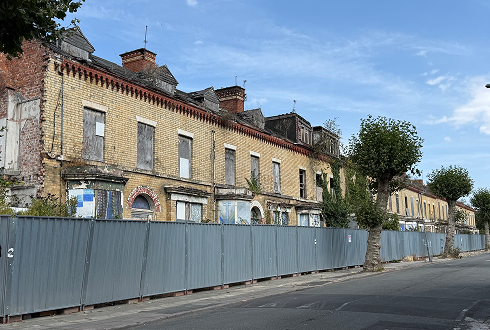
Stephen and Angela visited Toxteth to meet Hazel Tilley, a local resident and founding member of Granby Four Streets Community Land Trust (CLT). The Trust has redeveloped 11 derelict properties into affordable homes on the street. A further two, which were beyond repair, now form the Granby Winter Garden, a community space. Here, we got together with local residents to discuss how extreme wealth was widening inequality in Liverpool and their own lives.
What we heard
The government actually encourages people to become millionaires through poor peoples’ misery. If you look at Covid, if you look at the exploitation of asylum seekers and refugees, put into hotels, the hotels make millions.”
Wealth is being sucked upwards, leaving everyone else to struggle.”
All our media is spreading propaganda in favour of the wealthy who often have no morals.”
The lack of or reduced public services is evident in my daily life.”
Looking ahead
The overwhelming feeling of the group was that more needed to be done to close the gap between the richest and poorest. In the end, people kept coming back to the importance of community and equality, with local communities having a say in investments that would bring benefits to their areas.
“All extreme wealth is harmful. There should be more dialogue, more conversations and under standing about the impact on everyday lives.”
Granby Street resident
LONDON
A bit about London
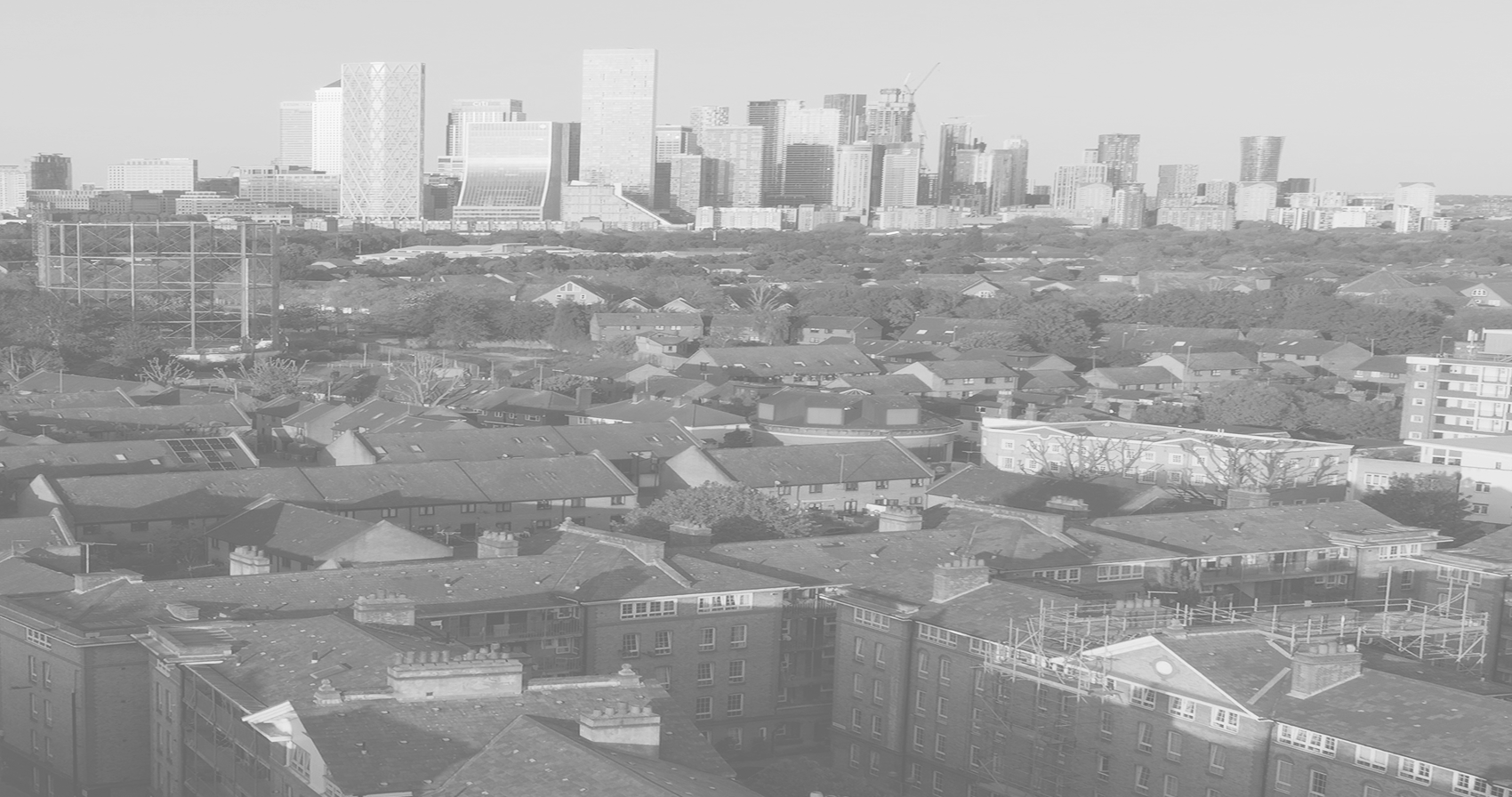
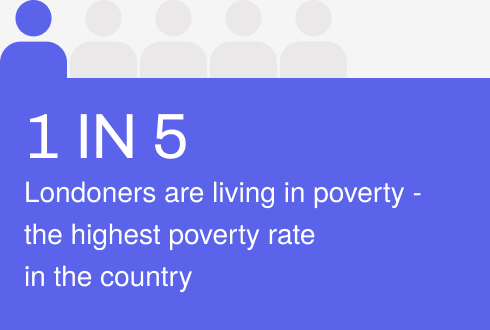
London has the highest poverty rate in the country, with one in five Londoners living in poverty. Over 50 per cent of children in both Tower Hamlets and Newham are living in poverty, the highest in the country. By contrast, the number of children living in poverty in Richmond Green is less than 11 per cent, one of the lowest in the country.
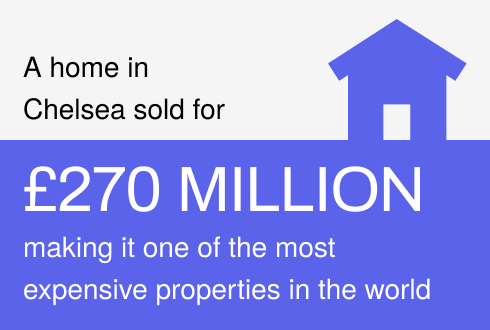
A sixth of households across the city do not have enough food to eat, and a recent report found that a third of people referred to food banks are in paid employment. Meanwhile a house in Chelsea owned by a billionaire has recently sold for £270 million, making it one of the most expensive properties in the world.
See what people thought in London
Watch the film below
“The obvious thing is the way politicians are lobbied and swayed to do things they might not have done otherwise… a lot of the most important decisions aren’t taken by politicians, they’re taken by the very wealthy in boardrooms.”
London resident
Talking about extreme wealth
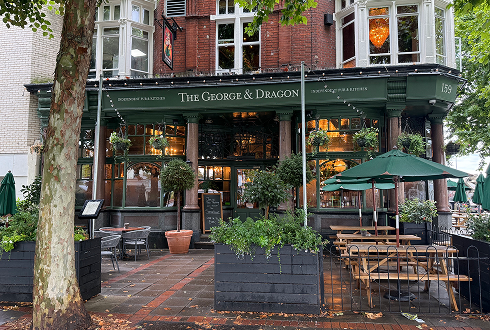
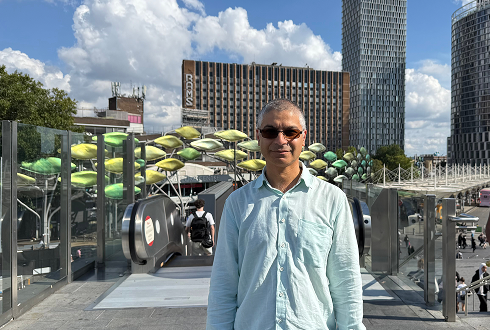
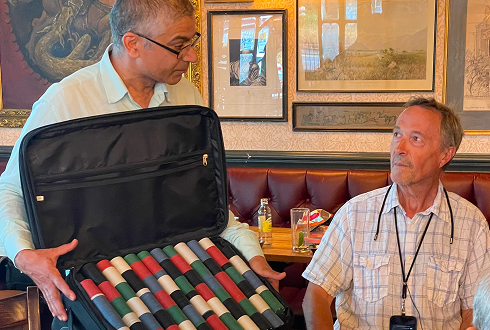
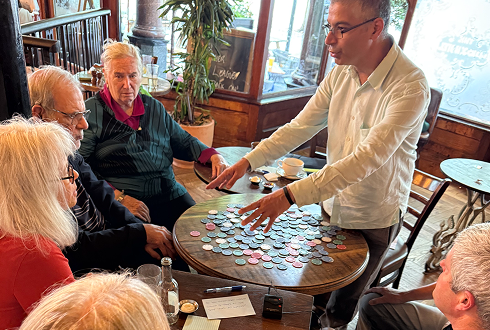
Sunil Kapur, a maths tutor at a primary school and a member of Patriotic Millionaires UK, was born in East London and has lived in the area all his life. Sunil took a case of poker chips to a pub in Wanstead and, using the chips to represent money, asked people how much is too much?
The whole case of chips equated to £700 million - at least 350 families in the UK have this much wealth. Asked if this was acceptable or something to aim for, the resounding answer was no.
What we heard
My daughter’s rent doubled overnight. How is that good for a capitalist society, when people are paying massive rent and mortgages, over 50 per cent - if you’re lucky - on this.”
If you look at the total wealth at the top of the pile, that’s getting bigger and growing exponentially, Oxfam produces these figures which I can’t remember, but there’s a very small number of individuals globally who hold as much wealth as about half the population. These people have got unlimited power. We should be doing things now to curtail it.”
A huge amount of money that’s invested by the very wealthy is being invested in the fossil fuels industry, which is exacerbating a lot of the problems we’re seeing and have been all over the news, the drought here, the floods and mudslide in Nepal.”
I think half a million is more than enough for anyone to get by on.”
£5-6 million is enough. I think we buy too much rubbish and we ought to not need as much material stuff, we need to focus more on community.”
Looking ahead
Conversations focused on the global impacts of extreme wealth, looking at both the existing and historical economic and political structures that have led to this point in time. But people also related their own experiences to frequently return the conversation to their reality.
“It’s totally pervasive that people think 'individual’. We’re not thinking of communities. In terms of wealth and distribution, if we can start that narrative around community and betterment locally, that will start progressing the problems we have been talking about.”
Eamon, local resident
Bournemouth, Liverpool and London poll results
Alongside the free flowing discussions, we asked attendees to fill in a short survey to capture levels of consensus on the harms of extreme wealth and ultimately, where they would draw an extreme wealth line. Below are the aggregated results from all locations.
Do you think extreme wealth is damaging?
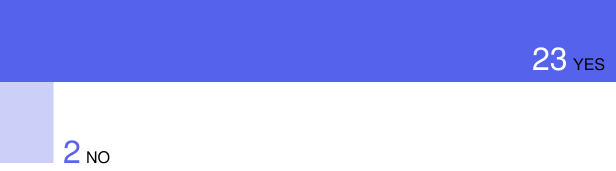
to society
to democracy
to the economy
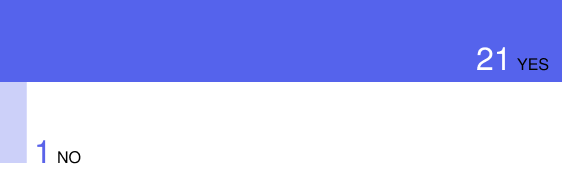
to the environment
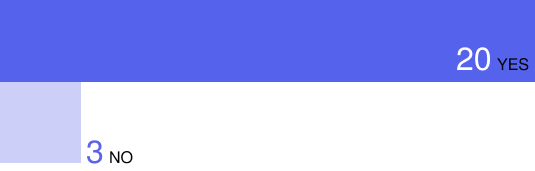
do you think extreme wealth impacts your life?
So where do people draw the line on the harm of extreme wealth?
76% of people said £10m or lower
Films produced by Screen 3 Productions.